
Coins Worth Collecting Are Having a Serious Moment With Investors Paying Attention Again

Interest in tangible assets has a habit of resurfacing when markets feel jumpy, and coins are back in that conversation in a very real way. Not as dusty relics locked in a safe deposit box, but as historical objects that also happen to carry financial weight. For people looking beyond stocks and bonds, coins worth collecting sit at an intersection of art, history, and value that feels grounded rather than abstract. The appeal is not about striking it rich overnight. It is about owning something real that has stood the test of time and still commands respect in today’s market.
Table of Contents
Why Collectible Coins Still Matter in a Digital World
In an age where money often exists as numbers on a screen, physical coins offer something reassuringly concrete. They have weight, texture, and a story you can literally hold in your hand. That physicality matters more than it gets credit for, especially when inflation concerns and market volatility creep into everyday financial conversations. The price of gold often headlines these moments, but collectible coins extend the idea further by layering scarcity, condition, and historical context on top of metal content.
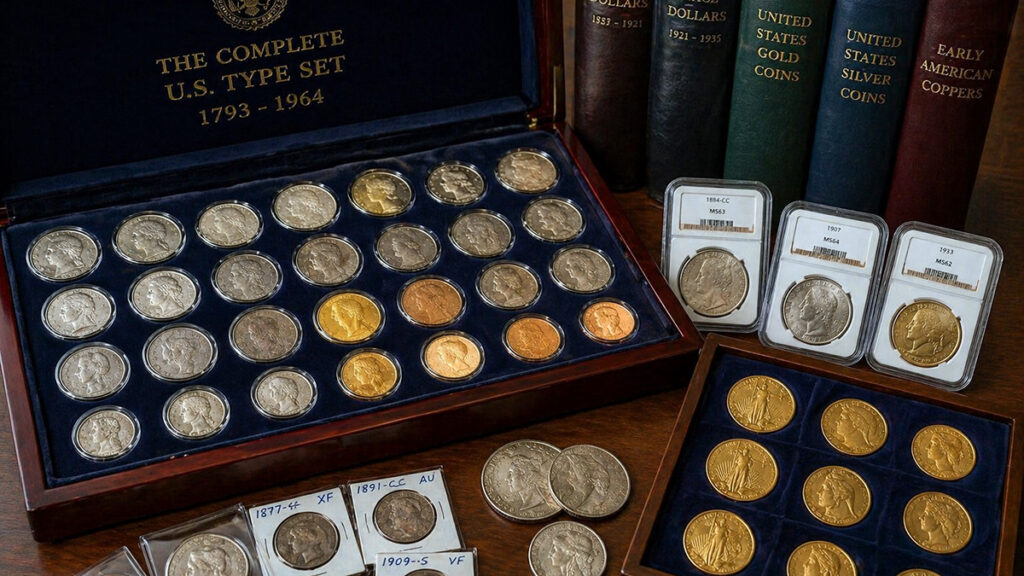
Coins also operate on a different timeline than trend driven assets. Their value does not usually swing on daily headlines. Instead, it evolves slowly, influenced by long term demand, collector interest, and preservation. That slower rhythm can be appealing for investors who prefer patience over panic.
Gold Coins and Their Enduring Appeal
Gold coins tend to be the first stop for new collectors, and for good reason. Gold has served as a store of value across civilizations, currencies, and political systems. When people talk about gold coins, they are rarely just talking about metal weight. They are talking about minting history, limited runs, and how well a coin has survived decades or even centuries.
Classic gold coins from major mints often trade at premiums beyond their melt value, particularly when they are well preserved. That premium reflects trust in gold’s role as a hedge and the added appeal of collectibility. Over time, these coins have shown an ability to hold purchasing power, which explains why they continue to draw interest during periods of economic uncertainty.
Silver Coins Offer Accessibility and Depth
Silver coins often feel more approachable, especially for collectors who want historical exposure without the higher entry cost of gold. Among these, Morgan dollars occupy a special place. Minted in the late nineteenth and early twentieth centuries, they are widely recognized, visually distinctive, and deeply tied to American monetary history.
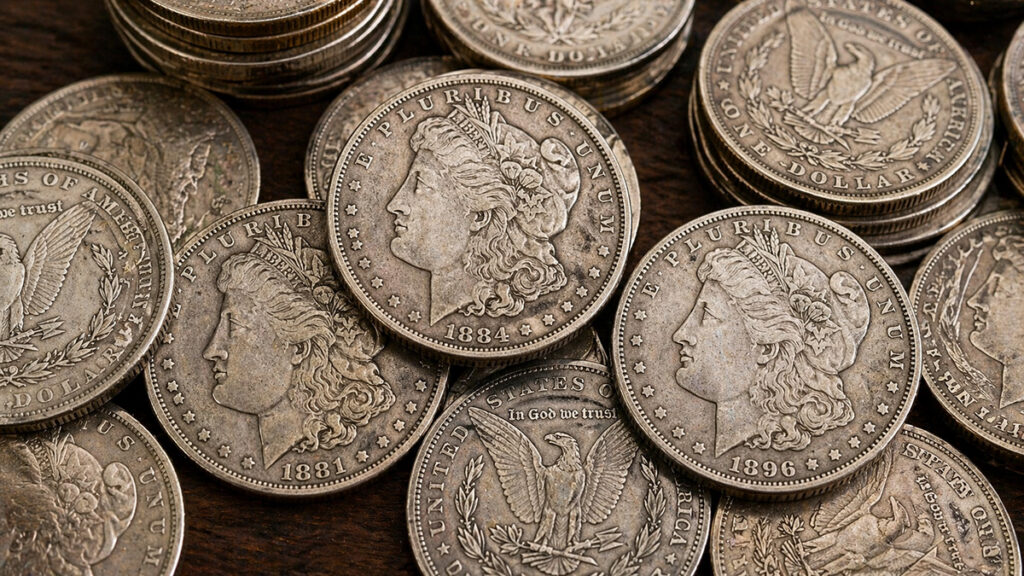
The market for silver Morgan dollars for sale remains active because these coins strike a balance between affordability and collectibility. Condition plays a major role, with uncirculated examples commanding significantly higher prices than worn counterparts. Their popularity is not driven by hype but by consistent demand from collectors who appreciate their design and legacy.
Rare and Key Date Coins Add Another Layer
Beyond metal content, rarity is where coin collecting becomes especially nuanced. Coins with low mintages, short production runs, or historical quirks often develop strong followings. Key date coins, meaning those produced in especially limited numbers, can become cornerstones of a serious collection.
What makes these coins interesting is that their value is less tied to commodity prices and more influenced by collector demand. That can provide diversification within a collection itself. While they require more research and a sharper eye, key date coins reward patience and knowledge rather than speculation.
Condition, Grading, and the Importance of Trust
Condition is everything in coin collecting. Two coins minted in the same year can have dramatically different values based solely on wear, handling, and storage. This is where professional grading comes into play. Certified grading helps standardize condition assessments and builds trust between buyers and sellers.
For investors, grading reduces uncertainty. It allows pricing to reflect condition accurately and makes coins easier to trade. While graded coins often cost more upfront, that added clarity can protect value over time and simplify resale.
Coins as Part of a Broader Strategy
Coins worth collecting tend to work best as part of a broader approach rather than a standalone bet. They complement traditional investments by offering exposure to tangible assets that behave differently from equities. That difference can matter when markets are stressed or when inflation erodes purchasing power.
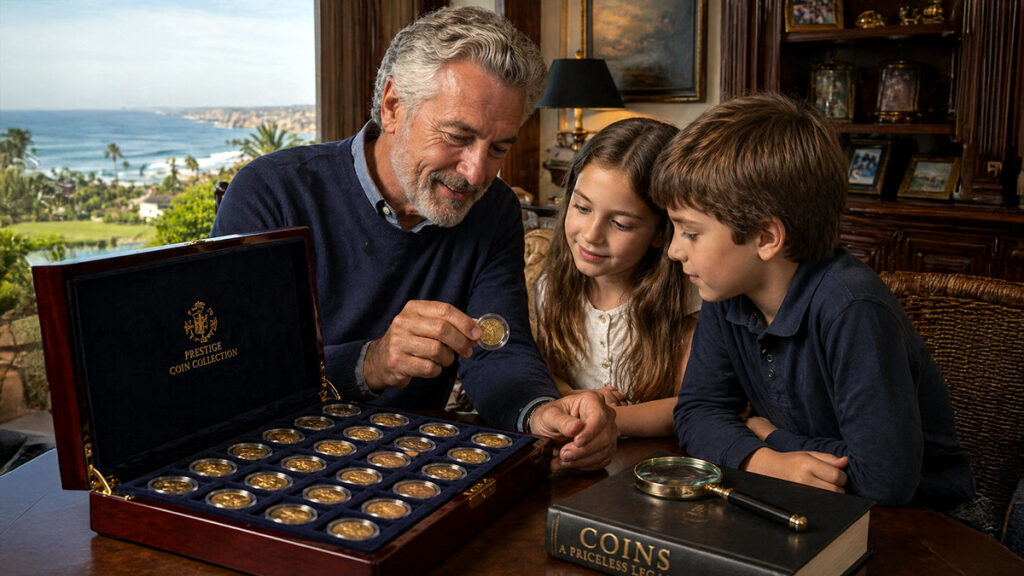
Unlike paper assets, collectible coins also offer non-financial satisfaction. There is genuine pleasure in learning their history, examining their craftsmanship, and building a collection that reflects personal interests as much as financial goals. That combination of enjoyment and potential value is rare in the investment world.
What to Keep in Mind Before Buying
Patience and education matter more than speed. The most successful collectors tend to spend as much time learning as they do buying. Understanding mint marks, grading standards, and market trends helps avoid overpaying and builds confidence. It also makes the experience far more rewarding.
Storage and insurance should not be afterthoughts. Coins need protection from moisture, temperature swings, and handling. Proper storage preserves condition and, by extension, value.
Collectible coins remind investors that value does not always need to be fast or loud. Sometimes it is quiet, durable, and built over time. In a financial world that often feels abstract, coins offer a sense of permanence that is both practical and deeply human.
The copyrights to the images in this article belong to LaJolla.com