
Are Californians Walking Away From Modern Decor?
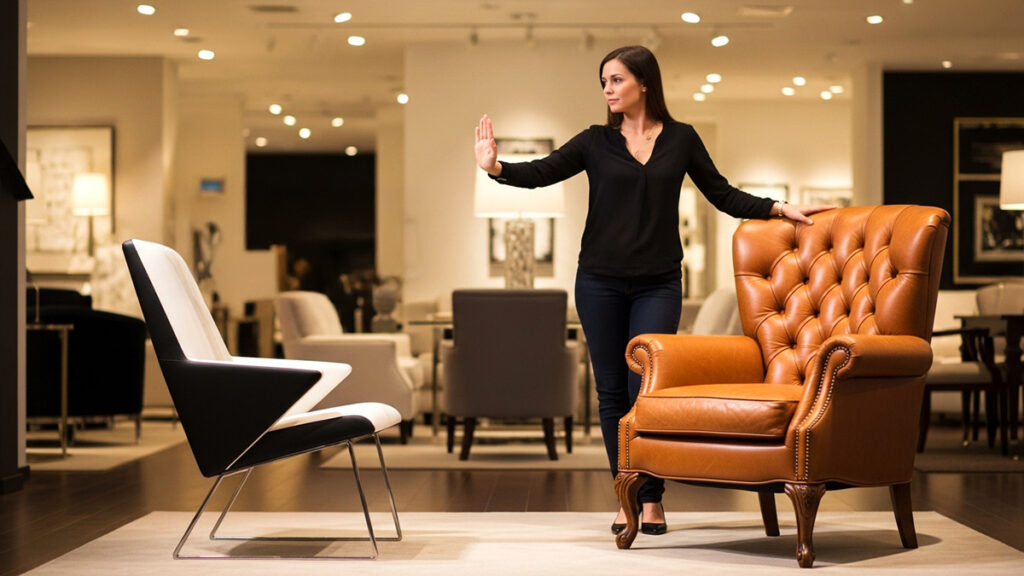
The modern home had a long run in California. Clean lines, pale wood, walls that felt allergic to personality. It photographed beautifully and felt fine for a while, like a rental car you do not hate. Lately, though, something has shifted. Homes across the state are starting to feel warmer, stranger, and more lived in. Not messy, not retro for the sake of retro. Just real.
There is a growing sense that spaces should reflect the people inside them, not the algorithm that served them up. Californians are still design literate, still visually sharp. They just want rooms that carry a little weight, pieces that show up with a past, and materials that do not pretend to be something else. The change feels less like a trend and more like a correction.
Table of Contents
When Perfect Started Feeling Empty
Minimal modern decor promised calm, but for many people it landed closer to blank. The sameness crept in quietly. The same sofa silhouette, the same paper lantern, the same art that looked fine but said nothing. After years of wildfires, lockdowns, and long days lived online, that emptiness started to feel louder.
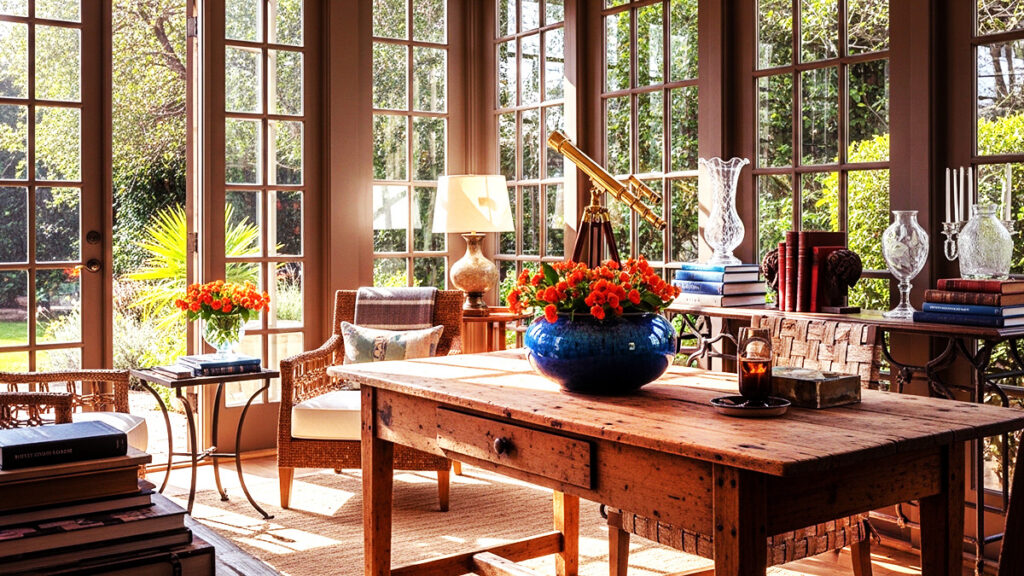
California homes are responding in a way that feels deeply human. Rooms are filling back up with texture, patina, and objects that look like they have been around the block. A weathered table with uneven legs. A ceramic bowl that is slightly off center. A chair that makes no attempt to disappear into the background. This is not about excess. It is about presence.
Not About Cutting Corners, About Choosing Meaning
There is a persistent myth that turning toward older or more character driven pieces is code for thriftiness. That misses the point entirely. For many Californians, this is not decorating on a budget. It is decorating with intention.
People are choosing pieces because they feel anchored, not because they check a box. A cabinet inherited from a relative. A rug picked up on a road trip along the coast. A lamp that looks like it has been switched on for decades and plans to keep going. These objects come with marks, stories, and sometimes a little mystery. They ask you to live with them, not just look at them.
Art That Looks Back At You
The same shift is happening on the walls. Cookie cutter prints are quietly being replaced by art that feels personal and a little harder to categorize. Original modern art paintings are showing up not as status signals but as conversation starters. They might be bold or restrained, abstract or figurative, but they feel chosen, not assigned.
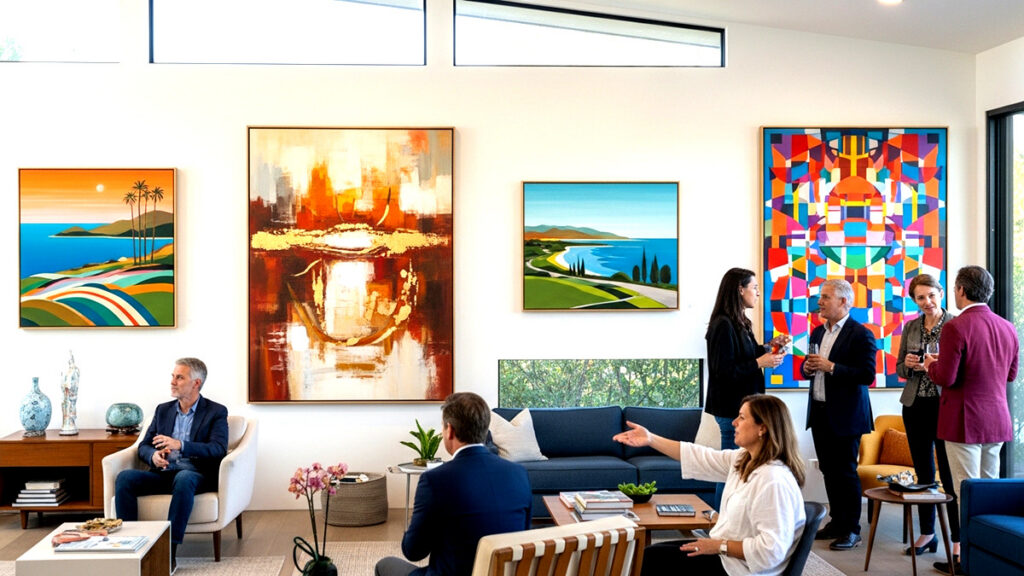
In California, where creativity has always been currency, this feels like a return to form. People want art that carries the trace of a human hand. Brushstrokes you can see. Color choices that feel risky. Art that does not politely fade into the background but lives with you, changes with the light, and occasionally makes you rethink the room around it.
Materials That Age, Not Imitate
Another quiet rebellion is happening at the material level. High gloss finishes and faux everything are giving way to surfaces that age honestly. Solid wood that picks up scratches. Stone that shows variation. Metals that soften over time.
California homes are embracing the idea that wear is not a flaw. It is a record. When a material changes with use, it becomes part of the household story. This mindset runs straight through furniture, lighting, and even built-ins. The goal is not perfection. It is durable with character.
A State That Knows How To Mix Old And New
California has always been a place where eras overlap. Spanish architecture sits next to midcentury gems. Surf culture coexists with tech campuses. It makes sense that interiors are starting to reflect that layered identity.
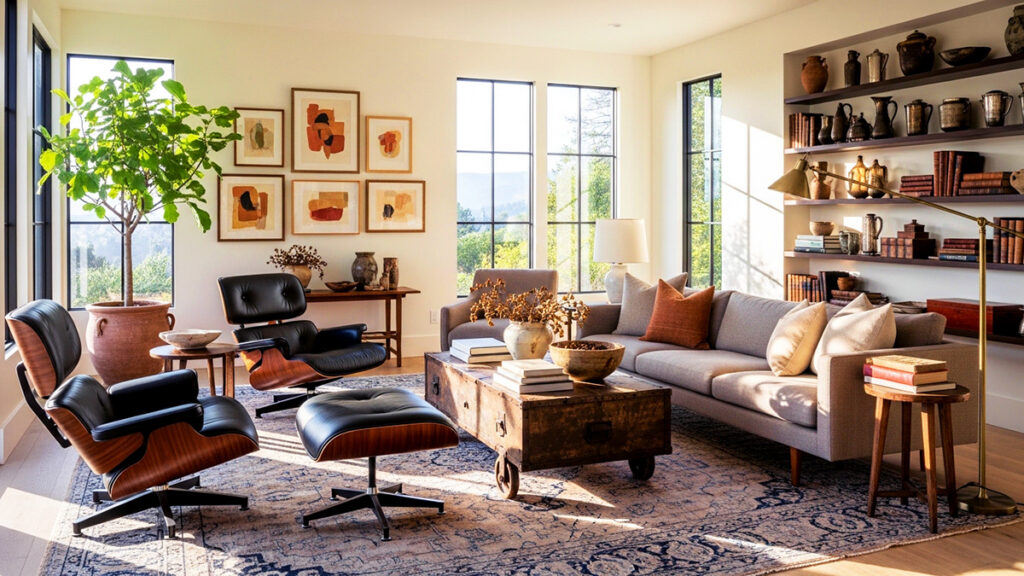
Modern pieces are not disappearing. They are just being asked to hold their own next to something older, heavier, or more expressive. A sleek sofa paired with a carved wood table. A contemporary kitchen softened by vintage stools. The tension is the point. It keeps a home from feeling frozen in time.
The Comfort Of Rooms That Feel Lived In
At the heart of this shift is comfort, not the showroom kind. The kind that settles in after a few years. Californians are designing homes that feel like they can handle real life. Kids, pets, dinner parties that run late, quiet mornings with bad hair and good coffee. A room with soul does not ask you to tiptoe. It invites you to stay. That invitation is worth more than any trend cycle.
This move away from sterile modern decor is not a rejection of taste or progress. It is a recalibration. Californians are choosing homes that reflect memory, creativity, and the reality of daily life. Spaces that feel grounded without feeling heavy, expressive without trying too hard. In a state built on reinvention, the most radical move right now might be letting homes feel honest and leaving it at that.
Copyrights to the images in this article belong to LaJolla.com